Early morning on the River Usk.
22nd June 2026
I was up early and out on a local river at seven O’clock this morning. This weather is not good for sleeping anyway, so it’s much nicer to be out. I was sat on my walk stool under one of very old bridges that have spanned the River Usk for two hundred or more years, just watching what came along. A Kingfisher flew back and fore a few times, a characteristic flash of electric blue brightening up the morning, it’s great to see them doing well again and there were also a few Dippers around accompanied with young birds, that was lovely to see.
The reason I was sat under the bridge was to try and photograph some Grey Wagtails that feed on insects that gather on the warm shingle banks there. They also try and catch flying insects, launching into the air from these rocks.
I had a Canon ef600 f4 lens on a tripod and gimbal head, necessary for stability and a Canon R5 Mk2 for image quality and the ‘Pre Capture’ facility. I have downloaded the latest firmware for this camera that enables the user to switch ‘Pre Capture’ on and off with the touch of a designated button – so much more convenient now!
It’s still not easy though, you can photograph these wagtails on the rocks easily enough.
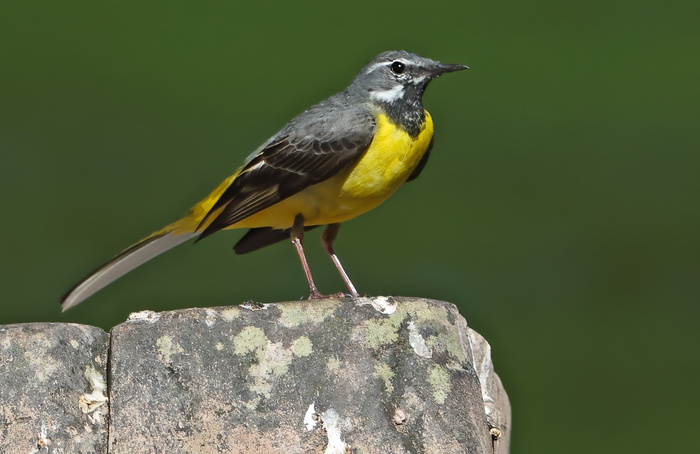
However, to catch them in the air is more difficult;
Having first activated ‘Pre Capture’ You have to try and predict which way the birds are going to take off and compose the scene accordingly, hoping you have chosen correctly.
In order to get any sharp images, I found I needed a shutter speed of 8000/sec and this needed an ISO of 3200. Once they have perched on the rocks it’s a matter of waiting for them to take off while keeping the shutter button half pressed which is continually recording images, and also ensuring focus is maintained by using another button, this is where 'Back Button Focussing' is fundamentally important!
Once they launch into flight then immediately fully depress the shutter, activating 'Pre Capture'.
Taking off.
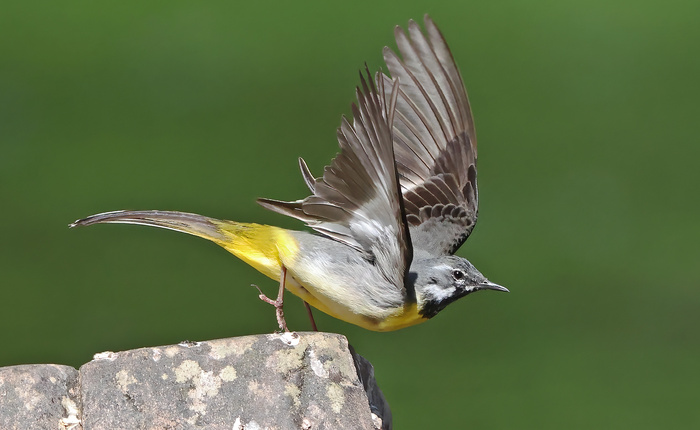
Without ‘Pre Capture’ it’s almost impossible to catch them in flight, a normal person’s reactions are just not quick enough.
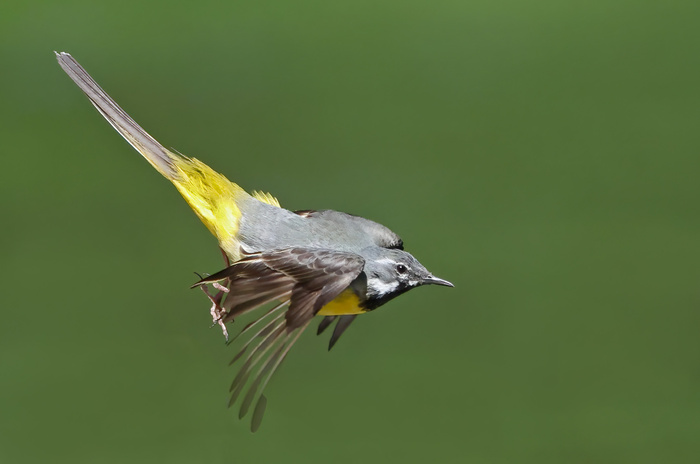
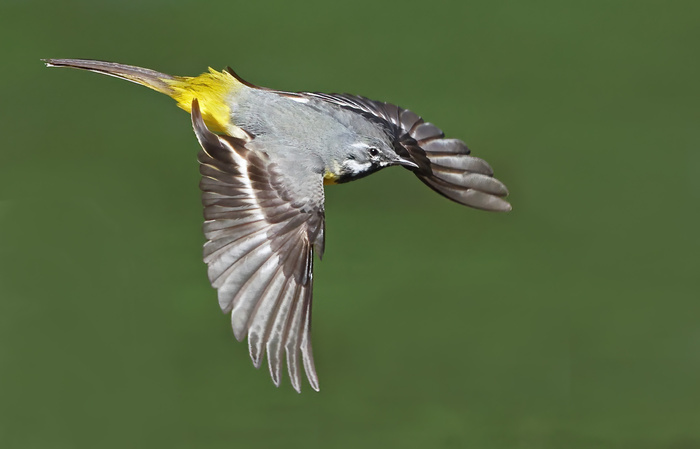
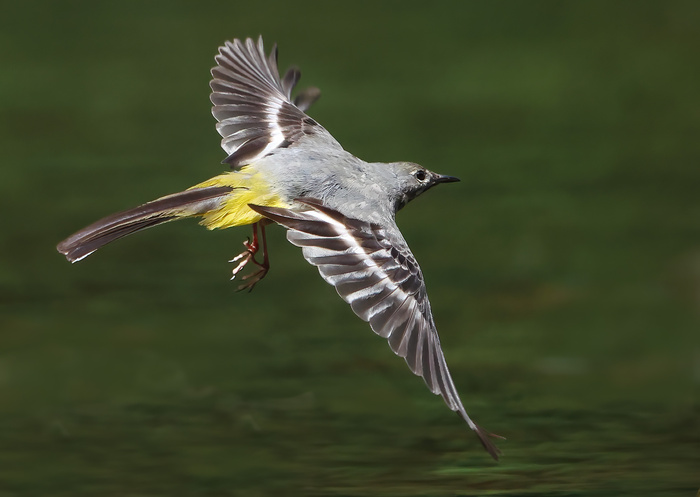
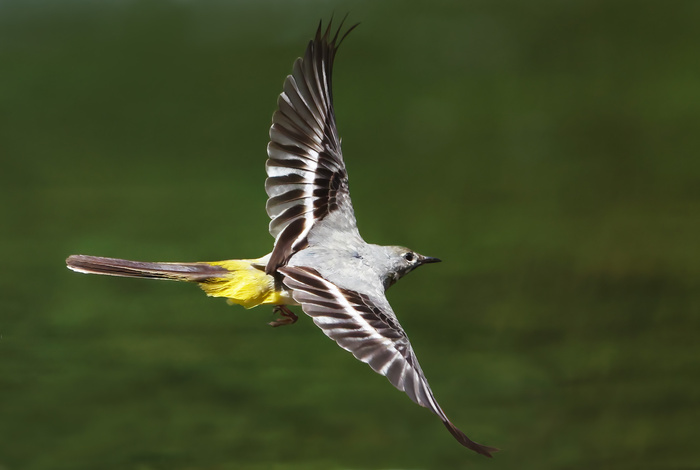
‘Pre Capture’ is a marvellous feature of modern cameras.
The reason I was sat under the bridge was to try and photograph some Grey Wagtails that feed on insects that gather on the warm shingle banks there. They also try and catch flying insects, launching into the air from these rocks.
I had a Canon ef600 f4 lens on a tripod and gimbal head, necessary for stability and a Canon R5 Mk2 for image quality and the ‘Pre Capture’ facility. I have downloaded the latest firmware for this camera that enables the user to switch ‘Pre Capture’ on and off with the touch of a designated button – so much more convenient now!
It’s still not easy though, you can photograph these wagtails on the rocks easily enough.
However, to catch them in the air is more difficult;
Having first activated ‘Pre Capture’ You have to try and predict which way the birds are going to take off and compose the scene accordingly, hoping you have chosen correctly.
In order to get any sharp images, I found I needed a shutter speed of 8000/sec and this needed an ISO of 3200. Once they have perched on the rocks it’s a matter of waiting for them to take off while keeping the shutter button half pressed which is continually recording images, and also ensuring focus is maintained by using another button, this is where 'Back Button Focussing' is fundamentally important!
Once they launch into flight then immediately fully depress the shutter, activating 'Pre Capture'.
Taking off.
Without ‘Pre Capture’ it’s almost impossible to catch them in flight, a normal person’s reactions are just not quick enough.
‘Pre Capture’ is a marvellous feature of modern cameras.