Photographing Alpine Swifts in flight.
08th May 2026
There is an old bridge at the bottom of a valley on the Greek island of Lesvos under which a river flows just before it enters the sea, and Alpine Swifts have historically favoured this spot for hunting insects and drinking.
These birds are not at this location all the time, they move around a great deal because covering large distances is not a problem when you possess their aerial capabilities. They are magnificent on the wing, heavily built, supremely fast and amazingly agile.
Alpine Swifts are much larger bodied and longer winged than our Common Swift, with conspicuous white underparts.
These birds are also strongly migratory, breeding in Southern Europe and Asia and spending the winter primarily in South Africa - This is a 6000-mile journey undertaken twice a year.
Attempting to photograph these very fast and erratic flying birds in flight is quite problematic, and photographers must position themselves appropriately to have any chance of success. When they approach someone front on, they just look like a large crescent cutting through the air.
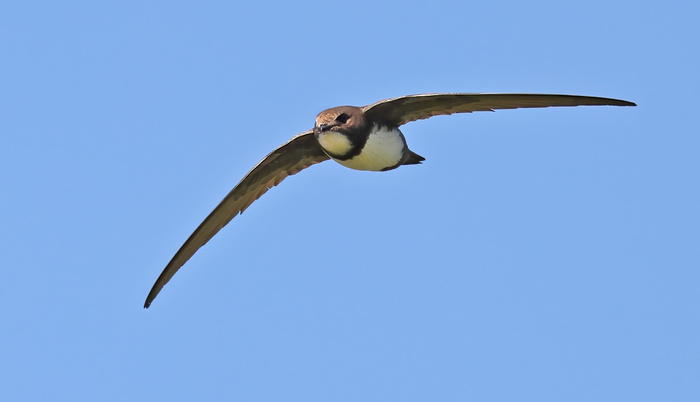
Therefore, a photographer has to be in a position to loosely predict their flight path coming towards them, this is not easy though because they approach from slightly different directions every time, however, there is some consolation and that is there is an overall general pattern to their flight.
High shutter speeds are paramount to have any chance of freezing the action and this involves unfortunately, correspondingly high iso numbers. However, the bright light in this location is a great help in these matters.
A primary objective of flight photography of this nature is to ‘lock onto’ these birds very early, this is fundamental for successfully tracking them, reacting at the last moments is very nearly impossible.
I always pick one bird, never jumping around from bird to bird, this is not always the right choice because it may come to nothing – the bird may choose to suddenly move away and then you have to start again.
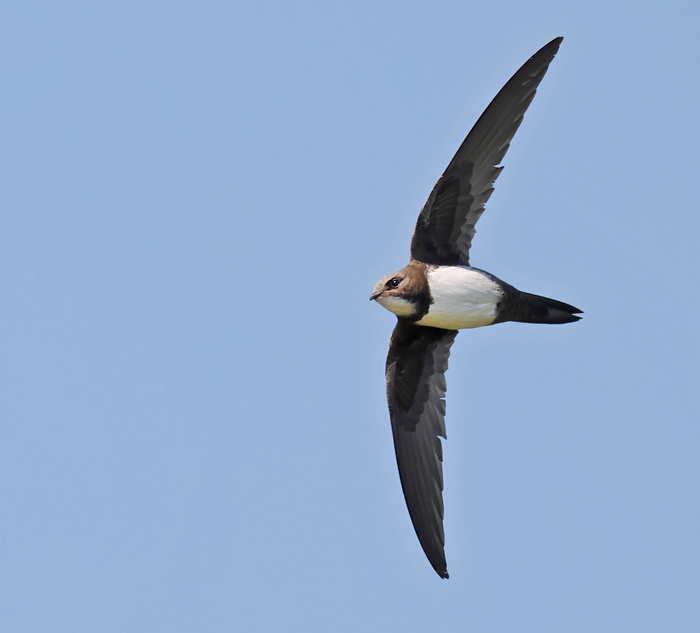
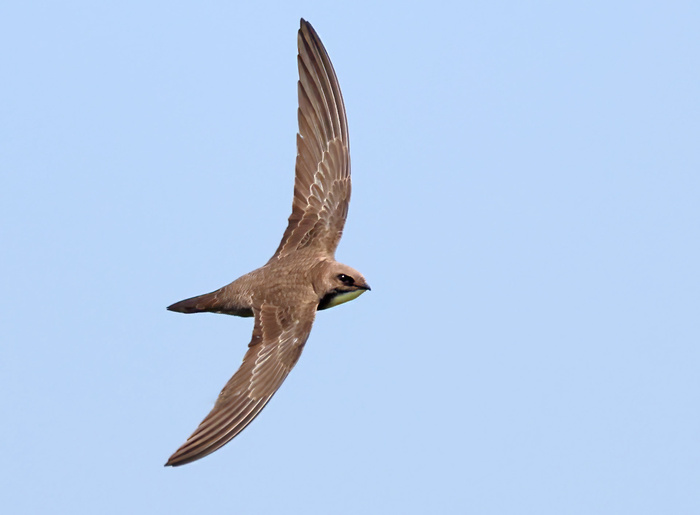
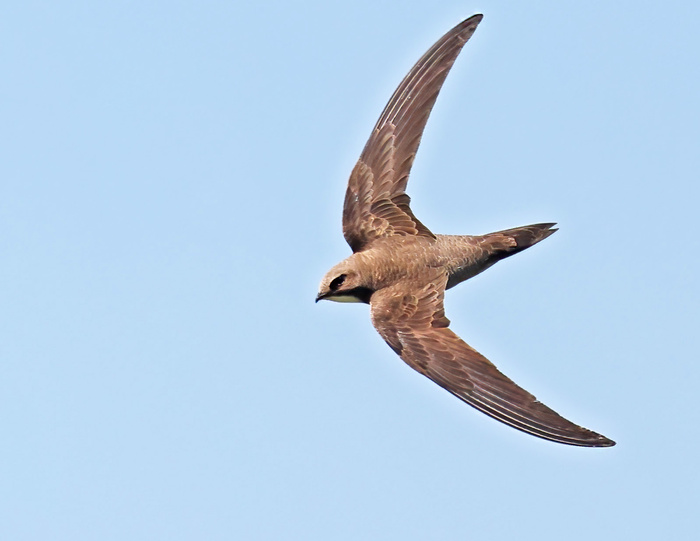
When these fly across you it's even more difficult because there's less tracking time to play with.
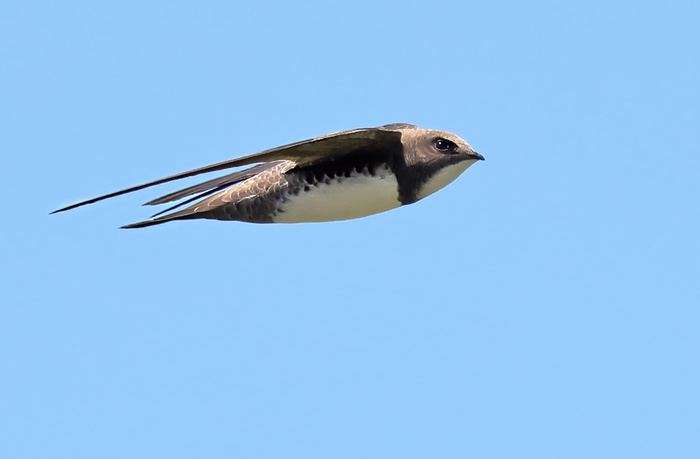
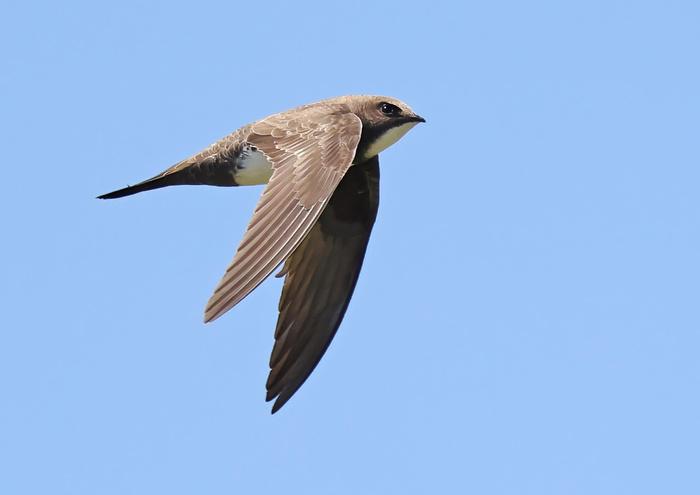
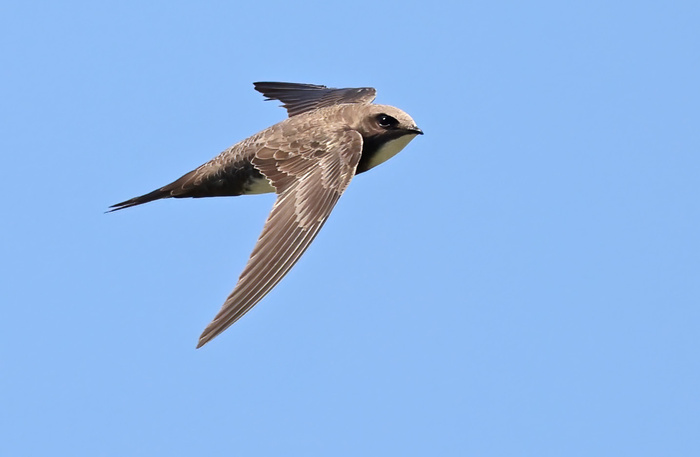
The worst situation is when they drop below the skyline because other obstacles may confuse the auto focus.
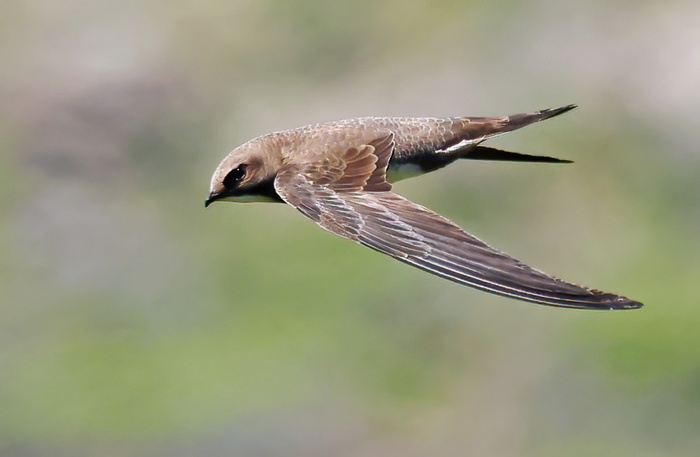
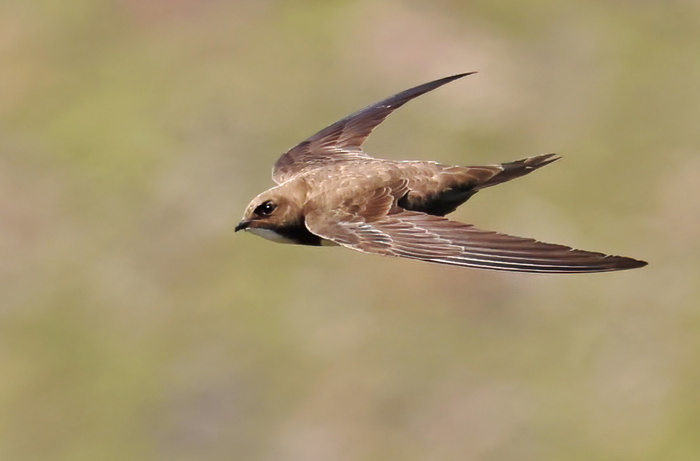
Having said all this, the Canon R5 Mk2 has a superb autofocus tracking system and when coupled with the Canon Rf 100-500 f7.1 lens (which is lightweight and manoeuvrable) is an ideal combination for the above-mentioned photographic scenario.
Modern high-end mirrorless cameras have revolutionised flight photography of birds. Superb auto focus tracking systems, massive frame rates combined with blackout-free viewfinders, superb quality back-lit stacked sensors providing high quality images and capable of very high ISO management and very fast processors providing ultra quick readouts allowing virtually continuous shooting - all these features combine to make it possible.
All these shots taken with Canon R5 Mk2 + Canon Rf 100-500 f7.1 lens.
Apart from auto focus and eye tracking, 'Manual' mode is used for all other settings.
Namely; Aperture / Shutter Speed / Iso.
500mm / f7.1 / 3200sec / 1000 iso - Handheld.
These birds are not at this location all the time, they move around a great deal because covering large distances is not a problem when you possess their aerial capabilities. They are magnificent on the wing, heavily built, supremely fast and amazingly agile.
Alpine Swifts are much larger bodied and longer winged than our Common Swift, with conspicuous white underparts.
These birds are also strongly migratory, breeding in Southern Europe and Asia and spending the winter primarily in South Africa - This is a 6000-mile journey undertaken twice a year.
Attempting to photograph these very fast and erratic flying birds in flight is quite problematic, and photographers must position themselves appropriately to have any chance of success. When they approach someone front on, they just look like a large crescent cutting through the air.
Therefore, a photographer has to be in a position to loosely predict their flight path coming towards them, this is not easy though because they approach from slightly different directions every time, however, there is some consolation and that is there is an overall general pattern to their flight.
High shutter speeds are paramount to have any chance of freezing the action and this involves unfortunately, correspondingly high iso numbers. However, the bright light in this location is a great help in these matters.
A primary objective of flight photography of this nature is to ‘lock onto’ these birds very early, this is fundamental for successfully tracking them, reacting at the last moments is very nearly impossible.
I always pick one bird, never jumping around from bird to bird, this is not always the right choice because it may come to nothing – the bird may choose to suddenly move away and then you have to start again.
When these fly across you it's even more difficult because there's less tracking time to play with.
The worst situation is when they drop below the skyline because other obstacles may confuse the auto focus.
Having said all this, the Canon R5 Mk2 has a superb autofocus tracking system and when coupled with the Canon Rf 100-500 f7.1 lens (which is lightweight and manoeuvrable) is an ideal combination for the above-mentioned photographic scenario.
Modern high-end mirrorless cameras have revolutionised flight photography of birds. Superb auto focus tracking systems, massive frame rates combined with blackout-free viewfinders, superb quality back-lit stacked sensors providing high quality images and capable of very high ISO management and very fast processors providing ultra quick readouts allowing virtually continuous shooting - all these features combine to make it possible.
All these shots taken with Canon R5 Mk2 + Canon Rf 100-500 f7.1 lens.
Apart from auto focus and eye tracking, 'Manual' mode is used for all other settings.
Namely; Aperture / Shutter Speed / Iso.
500mm / f7.1 / 3200sec / 1000 iso - Handheld.